The Influence of Major Competitions on the Hotel and Restaurant Industries
Each year, numerous major sporting and cultural competitions gather huge numbers of tourists in their host cities. Such events influence hotel room pricing and the planning of restaurant daily operations. Local enterprises have to deal with a temporary spike in customers and an increase in their activity. This knowledge helps owners to be ready to operate in peak seasons and in quiet ones too. Let us see in detail how such changes influence travelers, local businesses, and entire host communities.
How Major Tournaments Fill Hotel Rooms in Days
Tournaments attract fans coming from various countries and regions. Rooms in hotels that are located close to stadiums are usually booked up weeks before the beginning of the event. Usually, prices for such rooms start rising gradually as the tournament approaches. Many hotels also change the terms of cancellation and deposit payment during those days.
Major tournaments gather crowds of traveling fans in host cities. During tournament weekends, they occupy rooms in hotels and visit local restaurants. Fans often check live odds and place bets with the MelBet app in the lounge zones of restaurants. This is a popular behavior nowadays during major sporting live broadcasts. Many restaurant owners note that big-screen viewing zones can attract crowds of spectators regularly throughout the whole tournament period.
Restaurant Management and Major Competitions
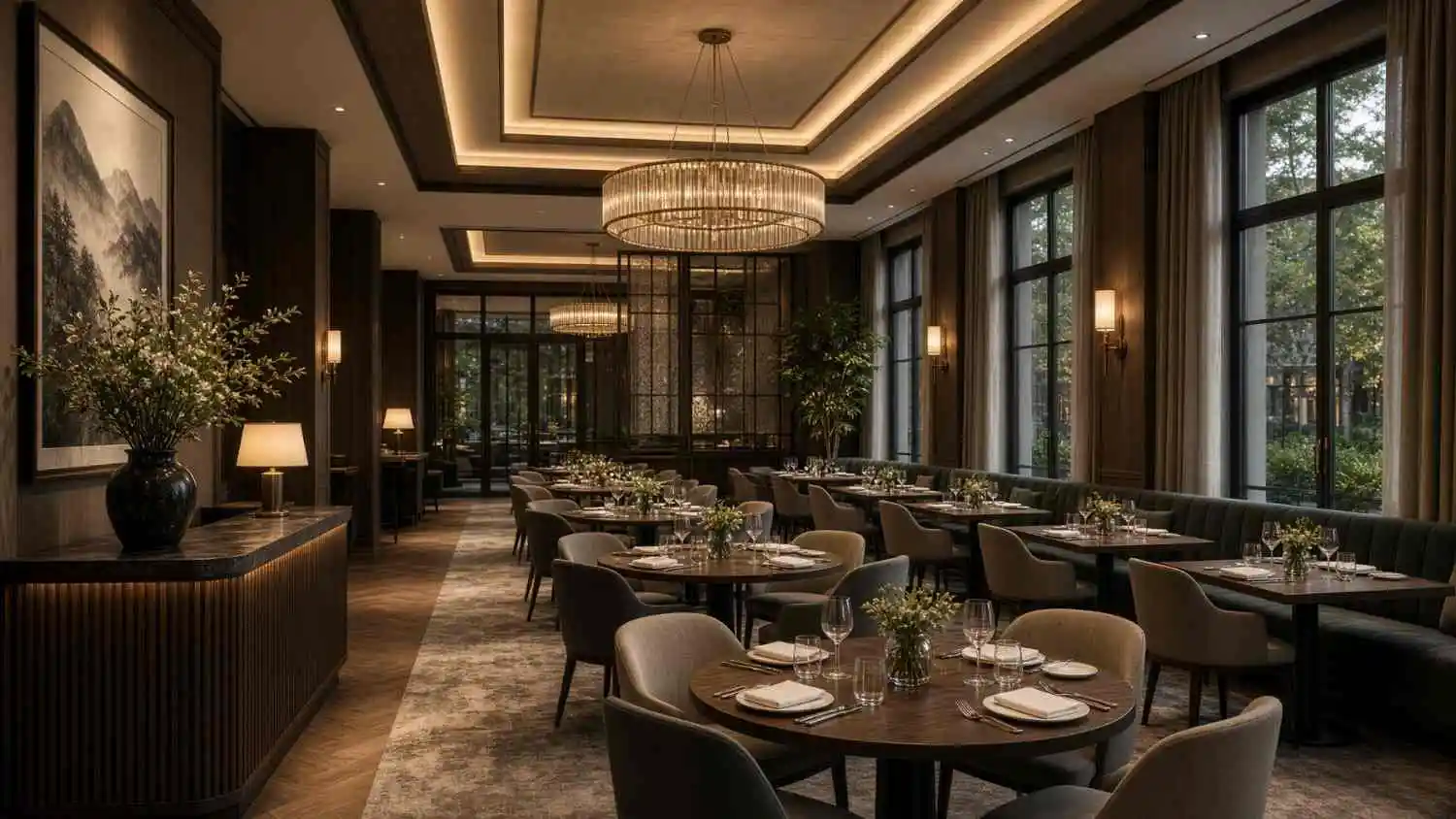
Restaurants that are located near stadiums have to work additional hours during major sporting events. Extra employees should be hired to serve bigger crowds that come before and after the match. Sometimes, menus change to include more group food dishes, which can be easily shared. Outdoor tables and screens become an integral part of the management strategy of these enterprises.
Mobile devices became almost inevitable companions of travelers coming to attend major tournaments. Fans need fast access to schedules, scores, and apps like Melbet after their arrival in the host city. Those travelers who want to have quick access usually look for a download (Turkish: MelBet mobil indir) before their accommodation. More and more hotel managers note such inquiries from their guests.

Apart from mobile usage trends, big competitions have an effect on food and drink prices in host cities as well. The following table presents typical changes that occur in restaurants and hotels when the event is going on.
Factor |
Typical Change During Major Events |
Impact on Business |
Hotel occupancy |
Rises sharply near event venues |
Higher room rates, fewer vacancies |
Restaurant traffic |
Increases during match hours |
Longer wait times, higher revenue |
Food supply costs |
Can rise due to demand spikes |
Tighter profit margins |
Staffing needs |
Temporary hires become common |
Higher short-term labor costs |
These changes occur for almost all major tournaments. However, their intensity is different depending on the city where the event takes place.
Price Increase and Booking Patterns During Major Events
During major events, the price increase pattern in the hotels is pretty predictable for each particular event. The rates typically start to grow several weeks before the opening ceremony or first matches. The maximum is reached during the final rounds or the championship weekend of the competition. As soon as the tournament finishes, the rates go back to their normal levels within just a few days.
Booking websites usually note increased booking duration during such peak periods. The travelers who book their accommodation ahead of time have bigger chances to get better rates compared to last-minute bookings. Some hotels also have a minimum-night stay policy on some dates during the busiest tournament weeks.
Regional Differences in the Demand Related to the Event
Not all host cities are affected by the event in the same way. The cities that have poor infrastructure regarding tourism usually suffer from increased prices and a lack of rooms. Larger cities are able to absorb this kind of demand much better. Also, local transport infrastructure affects the spread of the economic impact.
The restaurants located near the event location in small towns often experience the largest changes. The small local restaurant may suddenly serve several times more customers. It means that the kitchen of this restaurant, which is not prepared to operate at such a level, faces serious problems. Often, small restaurants use events like this to test the menu and labor organization during peak periods.
Labor and Supply Challenges Behind the Events
Both restaurants and hotels face labor challenges during most of the big competitions. Usually, there are many workers hired to help with extra shifts and additional hours of operation. Hiring and training temporary employees quickly is very hard due to the limited time during the event. There are special agencies providing labor services in these cases.
Also, supply chains are stressed due to fast increasing demand for food and drinks. Often, the local suppliers are unable to fulfill large orders fast enough. In order to avoid shortages on peak days, businesses plan everything carefully together with suppliers.
Long-Term Impacts on Host Communities
While the competition is an exciting period for hosts, there are some lasting economic impacts for many cities. Hotels invest the money from the competition in improving their facilities. Restaurants get new clients who come to the city for the competition and keep some of them in the long run. Local tourist organizations also track the effects of major events on host cities.
Some of the long-term impacts on host communities may be negative ones. Business owners sometimes over-invest in temporary expansion that is impossible to manage after the event. Places that depend on a particular major event face significant declines in their revenues when the demand disappears. Diversity of income streams allows hospitality businesses to rely less on single events.
Use of Technology in Managing Demand
Hotels and restaurants widely apply technological means to manage the influx of visitors during major competitions. Mobile check-in helps hotels to cope with the influx of arrivals. Restaurants use reservation and waitlist apps in order to minimize the number of people waiting outside. Technologies also allow staff members to monitor the turnover of tables during the busiest hours.
Information gained by hospitality business owners during major competitions is usually analyzed in order to make decisions for the future. Hotel and restaurant owners analyze occupancy, peak dining times, and popular dishes and beverages in order to prepare for future competitions. Major competitions become test sites for new technologies in many hospitality businesses.
Strategies That Hospitality Businesses May Apply
One of the most important strategies to manage major events successfully is the preparation of a proper plan before the competition takes place. Businesses that start preparing in advance usually avoid problems related to staffing or supplies. The following points list typical strategies used in the hospitality industry.
- Contracts with suppliers in advance: The contracts for food and beverages ensure their availability during peak times.
- Flexible staffing solutions: The cross-training of staff members eliminates the necessity to hire temporary workers.
- Dynamic pricing solutions: Dynamic adjustment of prices maximizes occupancy.
- Guest communication: Updates about the situation at the hotel and restaurant increase guest satisfaction.
There are no guarantees that applying these strategies ensures success, but they reduce the risk of common mistakes in managing events.
Combination of Opportunities and Risks
Major competitions represent a good opportunity, but they also involve certain risks for any business. Overbooking, understaffing, or a lack of supplies may harm the reputation of any hospitality business. However, guests expect to receive high-quality service during major competitions. Proper preparation is the key to meeting these expectations.
Those hospitality businesses that consider major events to be recurring challenges operate much better. Such businesses develop the systems and relationships that provide reliable operation of their activities regardless of event size. In this way, hospitality businesses transform short-term surges in demands in routine work and gain a competitive advantage in future major competitions.
Implications for Hospitality Businesses
The influence of major competitions on hotels and restaurants worldwide is obvious and measurable. Such competitions bring short-term benefits along with certain operational and logistical challenges. Hospitality businesses that manage staffing, pricing, and supply needs properly receive the greatest benefit. The relationship between the sports events and the hospitality business will only deepen as competitions become larger.