How Refereeing Has Changed Over the Past Decades
There have been almost as many changes to the role of the referee as there have been changes to the laws of the game. In the past, referees made decisions based on their vision and positioning. Assistant referees generally had little interaction with the main referee. Various communication aids have been introduced to aid decision-making, and new technologies are used to assist in deciding whether a goal has been scored. Referees now use technology when preparing for a match, and decisions are instantly reviewed from multiple angles. In order to stay abreast of recent changes to refereeing, it is important to recognize that decisions are no longer made by a single person. Continue reading to discover how recent technologies have enabled a more integrated system and allowed referees to manage greater areas of the football pitch.
From One Referee’s View to a Coordinated Officiating Team
Referees historically relied on very little support when officiating matches. Fans who download Melbet (Arabic: تنزيل Melbet) for sports betting can now follow matches while decisions and key incidents develop in real time. This gives bettors more information for assessing how referee calls could affect the match before placing live bets. Officials once communicated mainly through flags, gestures, and brief conversations during breaks in play. Without instant replays, referees sometimes saw incidents from poor angles and had to make quick decisions using limited information.
There have been positive alterations made to the structure as responsibility has been transferred from solely the referee to other members of the officiating staff for some of the responsibilities previously held. The implementation of the fourth official and the use of headsets for all members of the officiating staff have improved communication and allowed the referee greater levels of decision-making and control during the game. These adaptations have allowed for a more well-integrated and balanced officiating team.
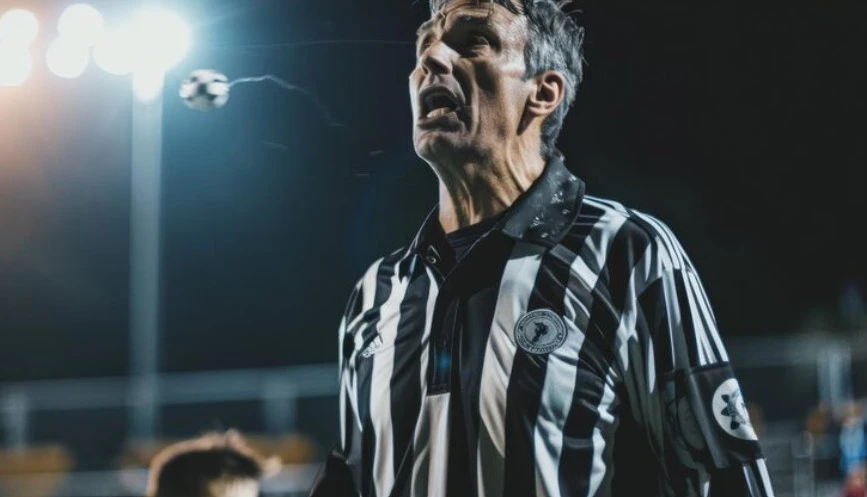
The Changes That Reshaped Match Officiating
There have been many changes to football refereeing that have affected the game without eliminating the human element entirely. Some have increased the accuracy of refereeing, and others have provided the referee with more information prior to having to make a difficult decision. The most significant ones include:
- Professional development: Top referees now participate in structured programs of fitness, positioning, and decision-making throughout the competitive season.
- Headsets: Allow the referee and assistant referees to communicate incidents in real time while remaining in their positions.
- Goal line technology: Uses automated systems to instantly determine if the entire ball has crossed the goal line within seconds.
- Video replay using VAR: Provides additional views for certain in-game, game-altering decisions made within a structured video review system.
While these changes have brought a more structured approach to refereeing, they have also brought new expectations. Now fans expect difficult decisions to withstand multiple slow-motion replays from multiple angles.
Why Referees Became More Specialized
Elite refereeing now requires much more than knowing the Laws of the Game. Officials prepare physically for repeated sprints, study team tactics, and review previous decisions before major fixtures. Sports bettors can use betting software (Arabic: برنامج مراهنات) to follow match statistics and consider how refereeing decisions affect the game. Access to live data helps bettors react to penalties, red cards, and other incidents before making in-play bets. Technology and improved training have also changed how officials review difficult moments and manage matches under pressure.
How Technology Changed Decisions on the Pitch
Goal-line technology was introduced to deal with a very clear issue that had arisen in football – whether the whole of the ball has crossed the goal line. It was first used by FIFA during the 2012 Club World Cup and then again at the 2014 World Cup. If the system has determined that a goal has been scored, the referee is given an automatic alert. This eliminates much controversy from incidents that depend solely on the position of the ball.
VAR has brought about a more general change as it allows for the review of goals, penalties, direct red cards and cases of mistaken identity. During the video review, these perspectives may not be available to the on-field referee. However, for many incidents human interpretation is still required. Incidents such as challenges for a penalty, serious foul play and handball can still be controversial even after multiple reviews. Higher quality video allows for greater evidence, but the referee still uses the Laws when making a decision based on judgment.
How Training and Preparation Became More Professional
Top-level officials now prepare for matches with routines closer to professional athletes than traditional part-time referees. Fitness work is essential because good positioning depends on reaching incidents quickly throughout demanding matches. Preparation also covers tactical patterns, player behavior, communication, and consistent application of current laws. Several areas have become especially important:
- Fitness testing: referees complete sprint and endurance assessments designed around the physical demands of elite matches.
- Video analysis: officials review previous incidents to identify positioning errors and improve future decision-making.
- Law updates: regular instruction helps crews apply revised interpretations consistently across different competitions.
- Team preparation: referees and assistants discuss responsibilities, communication, and likely match situations before kickoff.
This preparation does not guarantee a mistake-free match because football moves too quickly for that standard. It does give officials clearer methods for handling pressure, positioning themselves correctly, and learning from previous decisions.
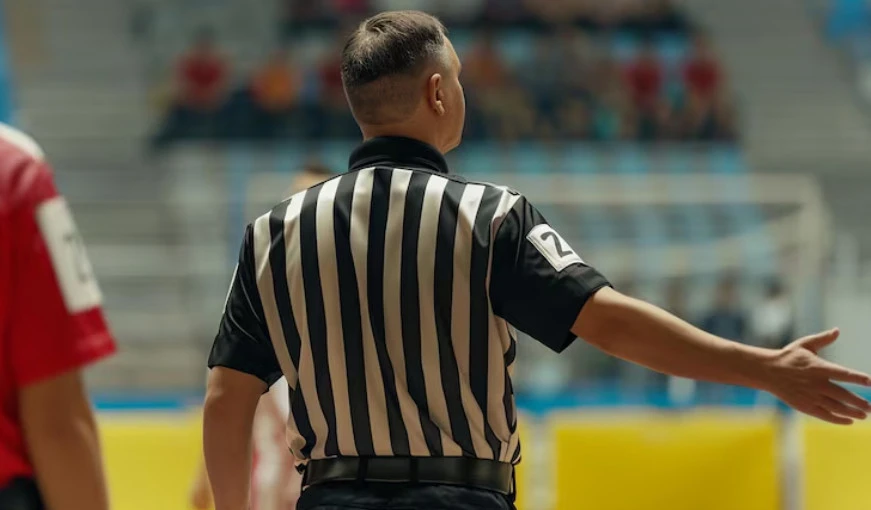
Refereeing Then and Now: What Has Actually Changed
The basic responsibility remains familiar: enforce the laws, protect players, and control the match. However, the tools and working conditions surrounding that responsibility have changed substantially. Modern officials receive more information, communicate faster, and face much greater scrutiny after every major decision.
Area |
Earlier Refereeing |
Modern Refereeing |
Communication |
Flags, gestures, brief discussions |
Headsets and constant crew communication |
Goal decisions |
Referee and assistant judgment |
Goal-line technology in many major competitions |
Major incidents |
Decision based on live view |
VAR review for defined match-changing situations |
Preparation |
Less standardized across competitions |
Structured fitness, tactical study, and video analysis |
Post-match review |
Limited footage and assessment |
Detailed video evaluation and performance feedback |
The biggest difference is therefore not simply the arrival of video technology. Refereeing has developed into a coordinated process involving preparation, specialist support, communication, and post-match analysis. Human judgment remains central, especially when the laws require interpretation rather than a factual measurement.
Why VAR Changed the Referee’s Role Without Replacing It
VAR has provided more opportunities for the Video Assistant to make decisions that may influence the course of the game. However, the in-match referee remains in control. If a decision is made by the in-match referee and is open to interpretation, then the referee may consult the video screen. This places the responsibility on the referee to make the decision rather than having it made by a computer.
The interpretation of the rules during live football has evolved within the role of the referee. If a goal is scored but under review for offside, play will be stopped, and the attacking players will not be allowed to participate until a decision has been made. A decision must be made by the referee as to whether a given situation should be under review or if a decision should be made by the referee in that situation. Referees must develop the ability to recognize when technology should and should not be utilized during a game.
Why Modern Referees Face More Scrutiny Than Earlier Generations
In the past, there were fewer camera angles available, and many events had to be left to the viewer’s interpretation. Recently, referees have been able to review a challenge from multiple camera angles and select the most suitable angle and replay to best illustrate the event. The referee’s call can now be made available over the Internet and can be replayed and examined in real time. These tools have allowed events that occurred at high speed to be broken down and examined frame by frame.
Additional video and audio material is being created to illustrate the use of the rules in the context of refereeing. This additional material enables referees to make incorrect but unpopular calls during a game. However, not all rules are objective. If a call is explained using subjective rules, then the criticism of that call will not be reduced, and a dissatisfied customer will result.
Where Football Refereeing Goes From Here
Enhanced systems for communication and review will enable referees to make more accurate decisions. The use of technology within the game will also assist in overcoming some of the issues surrounding the balance between the pace of the game and the level of fairness. For instance, goal line technology will decrease the number of errors that occur when a goal is scored. Also, holding referees accountable for their decisions will aid in enhancing the public’s trust in the referees.