The Role of Football Academies in Building a Sustainable Talent Pipeline
Football clubs must renew themselves with fresh faces to survive. The older generation will inevitably retire, and young athletes will have their own talents and techniques. It is football academies that make it possible for football clubs to be ready for such situations, as they introduce the younger generation to a systematic training regime and their transition to professional football. Speaking of Iraq, whose football occupies a unique position in the cultural heritage of the country, successful youth programs will benefit both clubs and the national team for many years ahead.
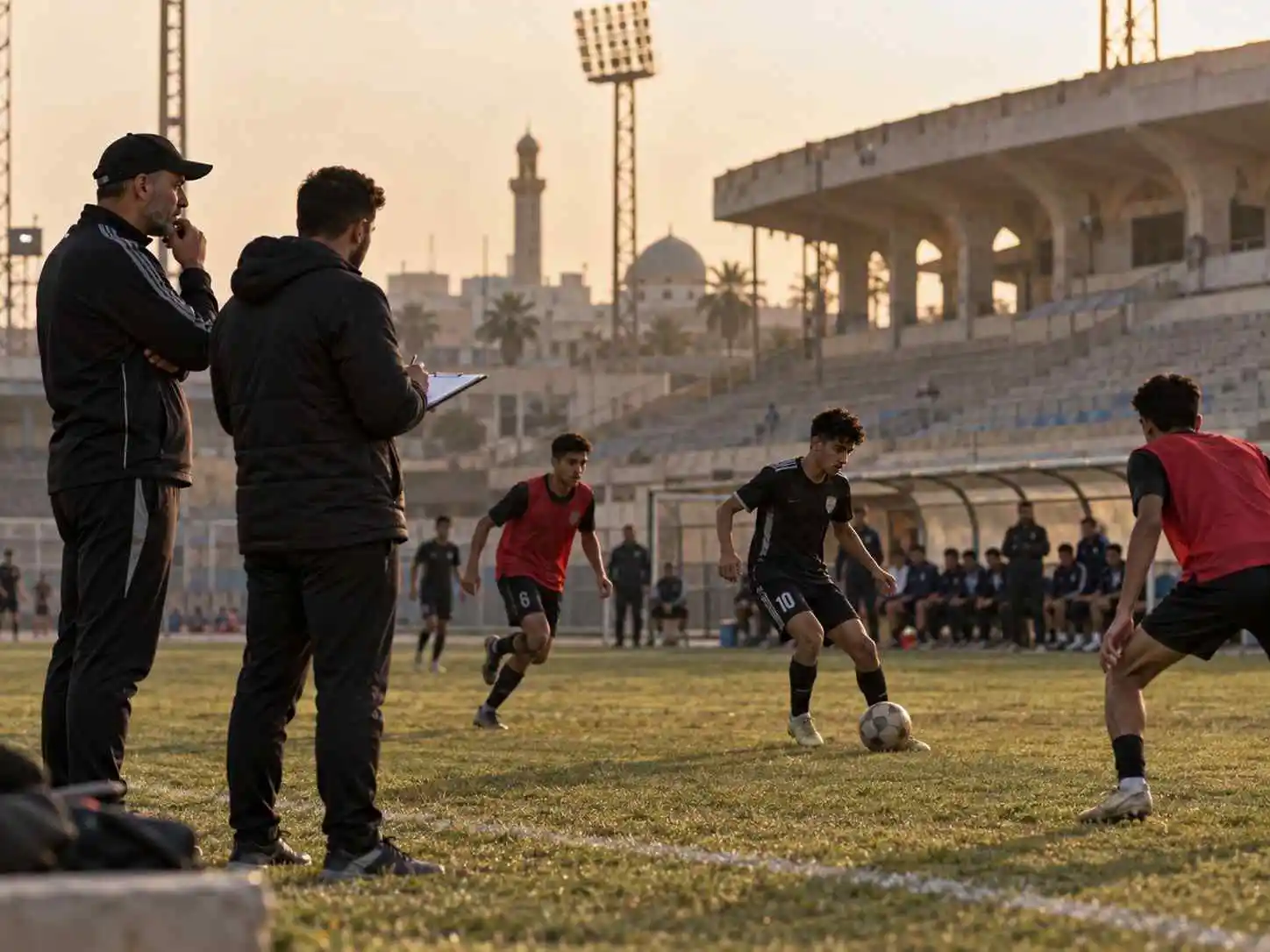
Rising interest in football is also demonstrated by the growing interest in betting on this sport. Fans of young players from football academies will start paying closer attention to the composition of teams and their form. Some of them will resort to using sports betting app downloads (Arabic: تنزيل برنامج مراهنات) to bet on matches in professional football leagues. Knowing the background of a young player may be helpful for assessing the form of teams. Nevertheless, betting has nothing to do with football academies that concern themselves exclusively with training young athletes.
Why Football Academies Matter for Long-Term Development
The sustainability of the talent pipeline also does not refer only to recruiting talented adolescents. There should be an effective structure that will assist children at different stages of development. The academies provide training, competitive matches, and individual counseling to cope with stress. They learn how to handle stress and hone their tactics. The coaches have enough time to assess them appropriately and recommend them for senior football.
Professional games are exciting for fans of Iraqi football. Fans can discuss the prospects of future stars while following match odds and forecasts. The sports betting website Melbet (Arabic: ميل بيت) is another part of this football community, where adult audiences enjoy professional matches and analyze match odds. With an effective academy structure, these games become exciting as they introduce new talents with new skills.
Building a Clear Development Path
Knowing what is coming up next will be helpful to young footballers. When a young footballer is entering the academy, he should have enough training at each stage. As the players grow, the intensity of the exercises and the competitive nature increase.
Proper organization also helps the clubs in making future team plans. The clubs do not need to rely only on transfers since players are trained in the club’s philosophy.
Development area |
Main academy responsibility |
Technical training |
Improve passing, control, and shooting |
Tactical education |
Teach positioning and match awareness |
Physical preparation |
Support fitness and healthy movement |
Personal development |
Encourage discipline and responsibility |
Competitive experience |
Provide suitable matches and tournaments |
Senior progression |
Prepare players for professional football |
Finding Talent Beyond Major Cities
There are many talented football players in the nation who can hail from any corner of the country. While there are many opportunities in Baghdad, Basra, and Mosul, there are still opportunities available in other, lesser-known cities for young and talented footballers.
By collaborating with local schools and teams, a club could enhance its scouting process. As a result, it would become easier to evaluate promising footballers in their own environment.
What Scouts Should Look For
Talent counts, but early strength is not always a good predictor of future success. Scouts need to take into account how the child reacts to coaching and performs in different game scenarios.
Important traits to look for include:
- Ball control – being able to take the ball and play it under pressure.
- Game sense – knowing where space is and where passes are possible.
- Learning style – paying attention to coaches and taking feedback well.
- Teamwork – backing up teammates when they need help.
- Versatility – being able to cope in new positions against different opponents.
Patient observation allows talent to mature. Some players come into their own very early, while others show their best form as teenagers.
Coaching Quality Shapes Future Professionals
The talented player must be trained to reach a high level. This is because the coaches at the academies understand how players can be trained and how it changes with time.
When it comes to the young academy players, the fun sessions will help develop the skills of creativity and confidence. In the case of the older players, they should understand their tactics and training before a match.
Training That Reflects Real Matches
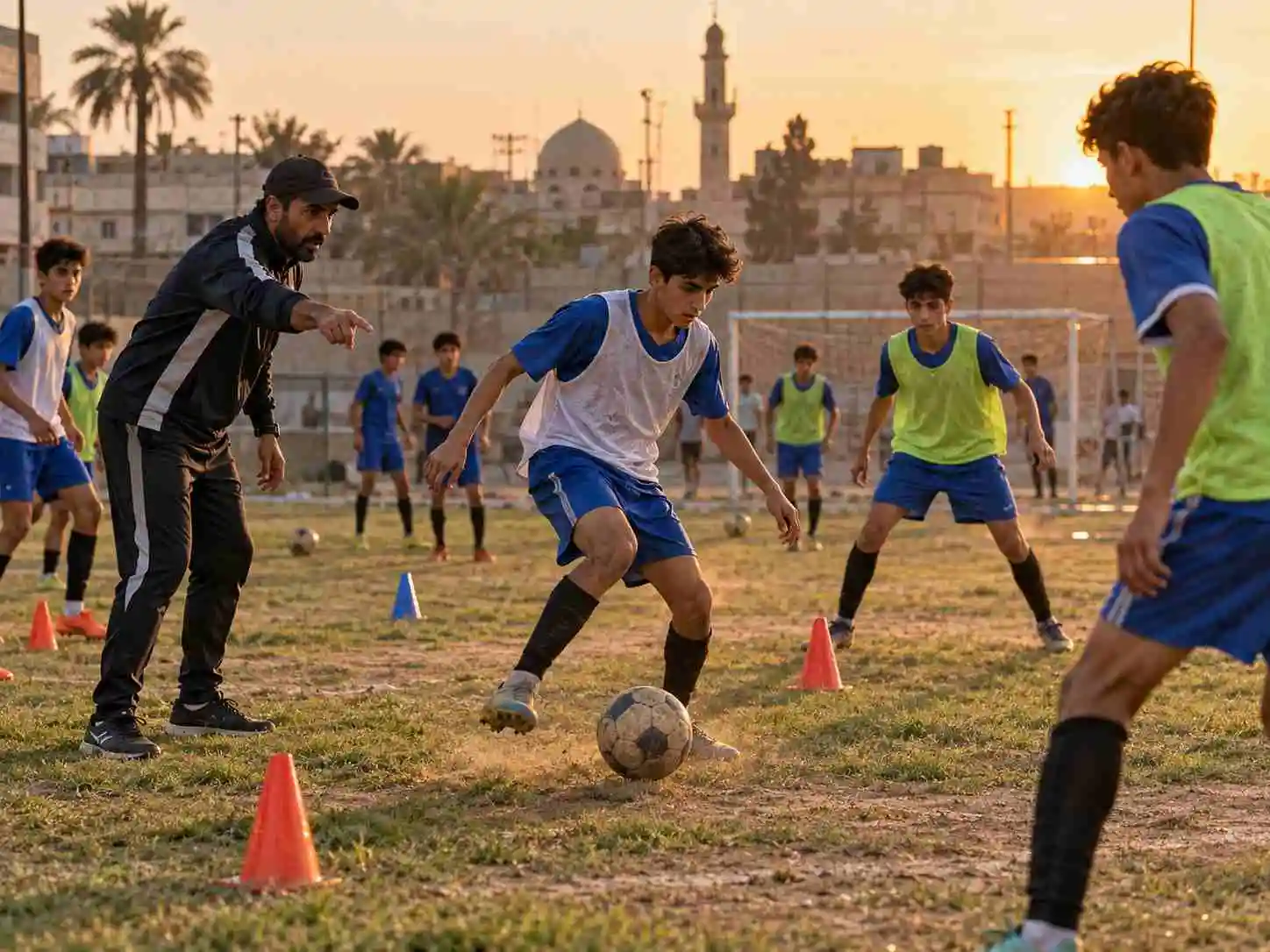
They must have a direct relationship with the situation that exists when playing the game. Small-sided games help players to make decisions quickly due to a shortage of space and time in possession of the ball.
Drills can also be designed by the coaches involving communication and reaction to positional changes. Feedback is very important in helping players realize improvement, and not every mistake is necessary.
Iraq has already taken steps toward developing a youth football development system. According to AFC, the Iraqi Football Association organized grassroots festivals and competitions in 2024.
Education and Personal Growth Inside Academies
Football development goes beyond training on the field. Young athletes have to juggle between their studies, social life, and other things in order to pursue their careers in the sport.
The academies can coordinate with parents to create realistic timetables. It’s important to take into account studying, sleeping, and training. The child will be able to play football yet still get an education.
Coaching is especially important during the teenage years. The coach helps athletes cope with the disappointment of losing and be calm regarding playing time.
Creating a Healthy Training Environment
Each individual develops at his/her own pace. It is important to consider these factors when preparing training programs.
A good training academy setting should involve:
- Exercises appropriate to age, with proper rest intervals.
- Access to basic medical assistance and injury-prevention tips.
- Effective communication between the coach and the parents.
- Playing against different teams.
- Evaluation based on overall progress.
- Encouragement of education while playing football.
This will help the players participate consistently. When players feel valued, they are more likely to ask questions and follow coaching instructions.
Connecting Youth Teams With Professional Football
At the academy and senior levels, preparation should be prioritized. The reason is that these young boys might perform well against opponents of the same age, but they require more experience to be pitted against experienced professionals.
These clubs can employ the senior training sessions to integrate the talented graduates into the senior team. There are some young players who would benefit from being loaned out.
Why Regular Competition Matters
Training improves skill, but games focus on how players respond under pressure. Games with stiff opposition force young footballers to learn decision-making skills. Performance reports will help senior coaches assess the abilities of academy players.
The success of this move will improve the bond between the fans and the club. The fans will feel proud of their club whenever an academy player becomes a regular member of the team.
Developing a Stronger Football Future in Iraq
The culture of football in Iraq is an excellent basis for developing the youth. Local clubs have their passionate fanbase, and school leagues can be used to get kids into the game.
FIFA’s Football for Schools scheme, which came out with figures from September 2026, involved 250,000 kids playing football in 600 Iraqi schools. The Iraqi Football Association was also working with FIFA on their Talent Development Scheme.
Cooperation Between Clubs and Communities
Football academies will definitely benefit from collaboration with local organizations as long as they share knowledge and sports facilities. Schools will be the place where academies will get to know talented kids, whereas clubs will provide academies with experience and organizational skills for the competition.
Local organizations will also help parents understand how great the opportunities for their children are. Cheaper facilities for training will motivate young players to play football.
It is especially important for Iraqi teams to invest in their youth, as they need to develop. Players will develop a better understanding of the specifics of football in their country.